მოდული #4: გენდერული სტერეოტიპები/ Module #4: Gender Stereotypes
ჩვენს საზოგადოებაში დღემდე ღრმადაა ფესვგადგმული გენდერული სტერეოტიპები. მაგალითად, კაცებზე გავრცელებული სტერეოტიპებია, რომ ისინი უნდა იყვნენ: კონკურენტული, მომპოვებელი, ავტონომიური, დამოუკიდებელი და სხვ. ქალების მიმართ კი არსებობს მოლოდინები, რომ იყვნენ: მზრუნველი, აღმზრდელი, მაკავშირებელი, სენტიმენტალური, ემპათიური, საზოგადოებრივ საჭიროებებზე ორიენტირებული და სხვა. *** ეს მასალა მომზადებულია ევროკავშირის, შვედეთის და ავსტრიის თანადაფინანსებით, პროექტ GRETA-ს ფარგლებში. მის შინაარსზე სრულად პასუხისმგებელია ვიდეო-ელექტრონული კურსის ავტორი და შესაძლოა, რომ იგი არ გამოხატავდეს ევროკავშირის, შვედეთის და ავსტრიის შეხედულებებს. Gender stereotypes are deeply enrooted in our society. Men are frequently stereotyped as: being aggressive, successful, independent, and autonomous, for instance. As for women, they are expected to possess the traits such as: compassion, nurturing, connecting, sentimental, empathetic and in service of community members. *** This course was created with the co-financing of the European Union, Sweden, and Austria within the frame of the GRETA project. The author of the video-e-course is solely responsible for its content, and does not necessarily reflect the views of the European Union, Sweden, or Austria. Find out more: https://gretaproject.ge/en #EU4Georgia #EmbassyofSwedeninTbilisi #ADC #ADA #gretaproject წყაროები / Sources: SUPPORTING FAMILIES FOR GENDER TRANSFORMATIVE PARENTING Challenging the gender norms and gender inequalities to create a more equitable environment for all children to thrive: Gender_Transformative_Parenting_Resource_Modules.pdf (unicef.org) Gender stereotypes and Stereotyping and women’s rights, OHCHR, see at: Gender_stereotyping.pdf (ohchr.org) Gender stereotyping, OHCHR and women’s human rights and gender equality, see at: Gender stereotyping | OHCHR Gender stereotypes and Stereotyping and women’s rights, OHCHR, see at: Gender_stereotyping.pdf (ohchr.org)

მსგავსი ვიდეოები
მოდული #4 - ახალგაზრდების სპეციფიკის გააზრება და მათი ჩართვა...
TRC-Terrorism Research Center
საქართველო - ადგილობრივ დონეზე ტურიზმის განვითარების ხელშეწყ...
M4EG
საქართველო - სოფლის მეურნეობა და ადგილობრივი განვითარება
M4EG

მოდული A2 - პროცესი ეკო-ინოვაცია
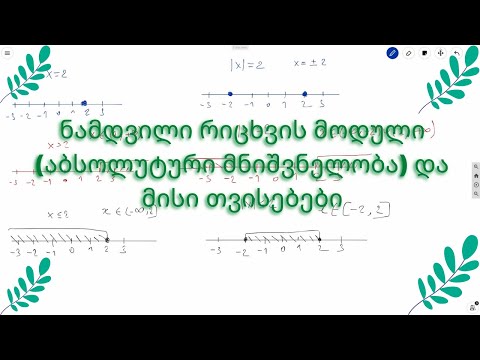
რიცხვის მოდული
Nukri Tskvitaia

მასწავლებლის სახლი | ორიენტაციის და მობილობის ახალი მოდული
შუადღე GDS / shuadge GDS
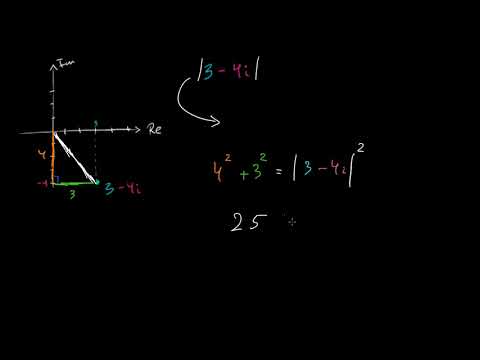
კომპლექსური რიცხვების მოდული
Khan Academy Georgian
![როცა კლიენტს არ ვეთანხმებით [FV0304]](https://i.ytimg.com/vi/EG7dpu2zT_4/hqdefault.jpg?sqp=-oaymwEbCKgBEF5IVfKriqkDDggBFQAAiEIYAXABwAEG\u0026rs=AOn4CLAGK1sB2o7Q4ct5gGzRI7CFh4BxCA)
როცა კლიენტს არ ვეთანხმებით [FV0304]
Mindworks Georgia